TREZOR LOGIN: A STRONG, CLEAR GUIDE FOR SAFE CRYPTO ACCESS
Understanding the Real Meaning of Trezor Login
Trezor login isn’t a “username–password” situation. It’s a direct security handshake between you and your hardware wallet. When you plug in your Trezor and open Trezor Suite, the device becomes your login method. No centralized account, no cloud-based credentials, and no server storing your identity. Everything stays offline, under your control. That’s why beginners and serious investors rely on Trezor — the login process removes the digital noise and keeps your access firmly in your hands.
Why Trezor Uses Device-Based Login Only
Trezor avoids online login systems because they create weak points. Passwords get stolen, accounts get compromised, and phishing becomes easy. With Trezor login, the hardware wallet replaces all that. Authentication happens inside the device chip, invisible to hackers. Your PIN protects the device, your recovery seed protects your identity, and no outsider can see either. Even if your computer is infected, your crypto stays safe.
Setting Up Your First Secure Login
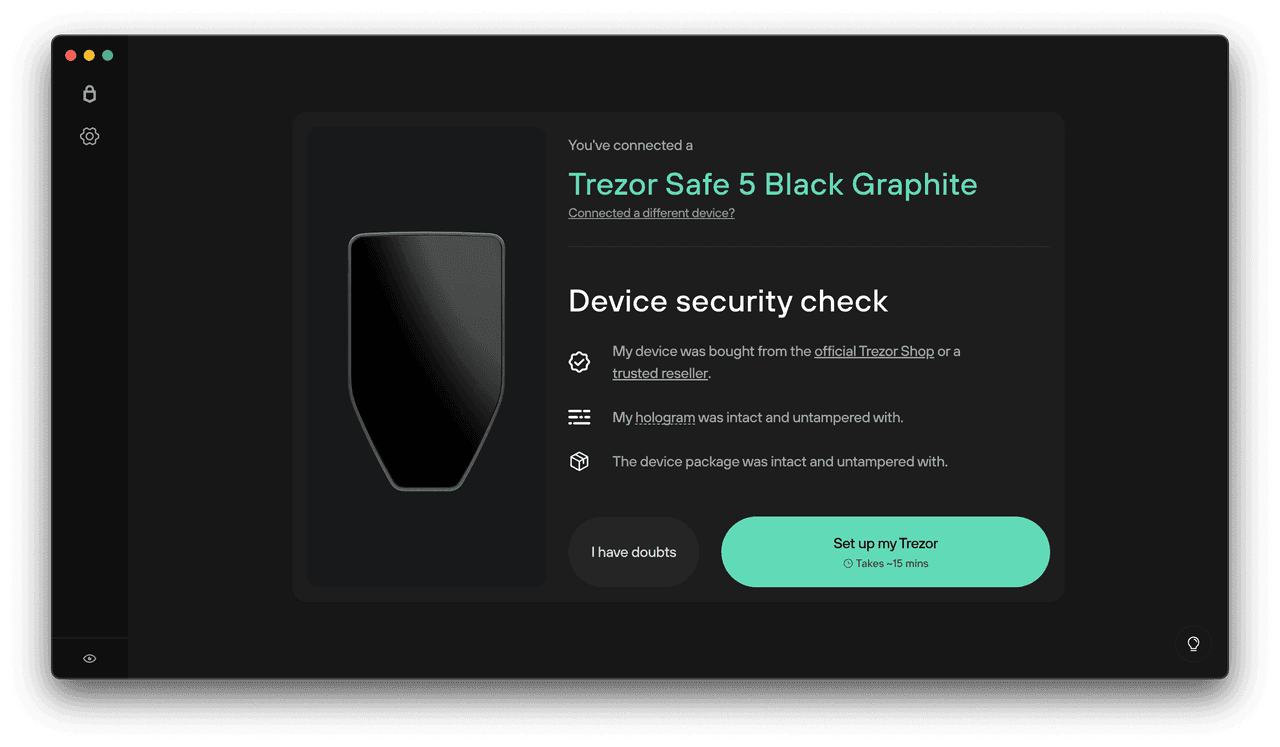
Connecting the device is straightforward: plug in your Trezor, open Trezor Suite, confirm prompts on the device, and verify the interface matches your screen. Your PIN entry appears scrambled each time to block keyloggers. Once inside, Suite loads your dashboard instantly — showing balances, assets, and tools without exposing your keys anywhere online. The process is quick, but the security level is extremely high.
How Logging In Works Behind the Scenes
When you attempt a Trezor login, the Suite app sends a request to the device: “Prove ownership of keys without revealing them.” The device signs a challenge internally using your private key, then returns proof — not the key. It’s a zero-exposure method. This is why even highly advanced attackers cannot extract your keys during login. You’re authenticating with cryptographic signatures, not passwords.
Best Practices to Strengthen Every Login Session
To keep your login airtight, never enter your PIN on the computer screen, avoid downloading Trezor Suite from random sources, and always cross-check domain names. If the interface asks for your seed phrase, stop — Trezor Suite never does that. Keeping your device firmware updated ensures your login remains resistant to new threats or vulnerabilities.
Typical Problems Users Face During Login
Sometimes beginners see “device not recognized,” “bridge required,” or missing permissions. These are normal connectivity issues, not security failures. Reinstalling Trezor Bridge, switching USB ports, updating firmware, or closing conflicting apps usually fixes everything. If the dashboard doesn’t load, restarting Suite often resolves it.
Why Trezor Login Is Safer Than App-Only Wallets
App-only wallets rely on your phone or computer — devices constantly exposed to malware, tracking, and exploits. Trezor login works on isolated hardware that never shares your keys with the internet. It’s the difference between storing gold in your drawer vs. in a vault built to stop break-ins. Even mid-level investors appreciate the strength difference once they see how Trezor handles access.
Practical Tips for Daily Use
If you use Trezor daily, keep your device in a single dedicated spot. Avoid connecting it to public or office computers. If you travel, carry it in a protective case. Login becomes effortless when you treat the device like a personal security tool instead of a normal gadget. Keeping your recovery seed locked away ensures that even if the device is lost, you maintain full control.
When You Should Reset or Reinstall
If login starts behaving strangely — mismatched prompts or incomplete loading — reinstalling Trezor Suite is often the cleanest fix. Resetting the device should be your last option and only done if you have your full recovery seed. After a reset, the login becomes smoother, the dashboard loads correctly, and connectivity problems vanish.
The Bigger Picture Behind Trezor Login
Logging into Trezor is more than accessing your crypto; it’s a shift in mindset. You’re stepping out of the typical username-password world and into one where you directly own your digital assets without relying on third parties. Once you understand how the device-based login works, you realize how much more secure it is than anything online.
FAQ
What is Trezor login?
It’s the process of accessing your wallet through a hardware device instead of a password or online account.
Do I need an online account to log into Trezor?
No. The hardware wallet is your security and identity.
Why doesn’t Trezor use passwords?
Passwords create attack points. Device-based authentication is stronger and impossible to phish.
What if I lose my Trezor?
Your recovery seed restores everything on a new device.
Why is Trezor Suite required for login?
It provides the secure interface that communicates with the hardware wallet.